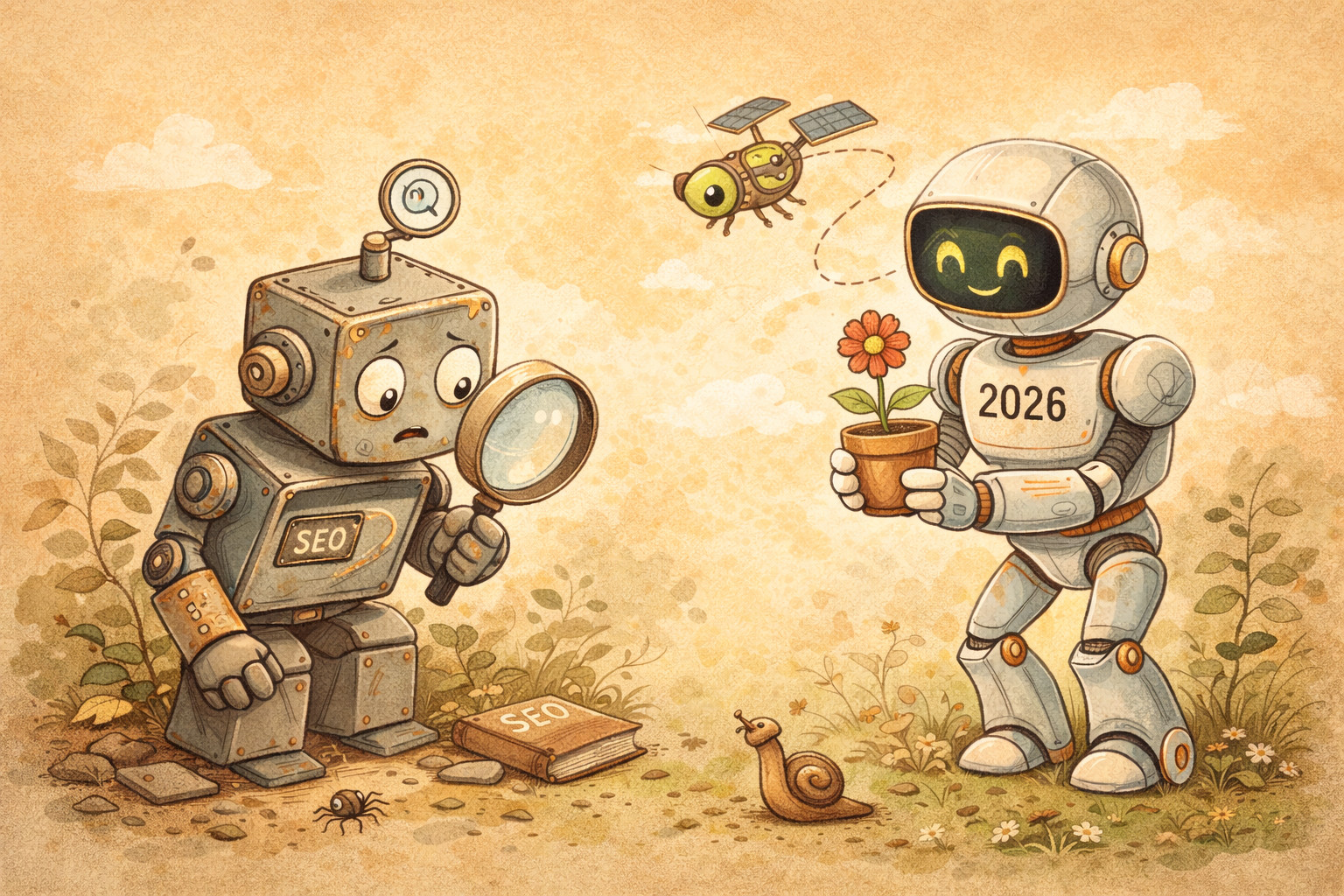
Search engine optimisation continues to evolve, but it has not been replaced.
In 2026, SEO looks more sophisticated than it did five years ago. Search engines are smarter. AI driven results are more prominent. User behaviour has shifted. Yet the core purpose remains the same: connecting people with the most relevant, trustworthy information.
If you want consistent visibility on Google and other search platforms, you need to understand what has changed and what still works.
What Has Changed in SEO in 2026
1. AI Driven Search Results
Search engines now integrate AI generated summaries, answer boxes, and conversational results directly into search pages.
This means:
- Fewer clicks for basic informational queries
- Greater emphasis on authority
- Higher competition for top positions
Websites must now compete not only with other sites, but with AI generated summaries.
To stand out, content must be:
- Clear and structured
- Authoritative
- Experience based
- Supported by strong signals of trust
Thin content no longer survives.
2. Search Intent Matters More Than Keywords Alone
In the past, ranking often meant targeting exact match keywords.
In 2026, search engines prioritise intent.
This means understanding:
- Is the user researching
- Comparing
- Ready to buy
- Looking for local services
Successful SEO strategies now focus on solving specific problems rather than repeating phrases.
Pages that align precisely with user intent outperform those that simply target high volume keywords.
3. User Experience Is a Ranking Factor
Search engines measure behaviour.
If users:
- Leave quickly
- Do not engage
- Do not click through
- Struggle to navigate
Rankings can suffer.
In 2026, SEO and website design are tightly connected. Fast load times, mobile usability, clear structure, and strong calls to action influence performance.
SEO is no longer just technical. It is experiential.
4. Authority and Trust Signals Are Critical
Search engines prioritise credibility.
Websites that demonstrate:
- Clear expertise
- Transparent business information
- Reviews and testimonials
- Strong backlinks
- Consistent branding
Tend to perform better.
Authority is built over time through quality content, reputable links, and consistent presence.
Shortcuts are far less effective than they once were.
5. Local SEO Has Become More Competitive
For service based businesses, local visibility is essential.
In 2026, ranking locally requires:
- Optimised location pages
- Accurate business listings
- Consistent NAP information
- Strong review profiles
- Proximity relevance
Competition has increased, which means local SEO requires ongoing effort rather than one time setup.
What Still Works in SEO in 2026
Despite these changes, many foundational principles remain powerful.
1. High Quality, Relevant Content
Search engines still reward content that:
- Answers real questions
- Solves specific problems
- Is clear and well structured
- Provides genuine value
Content written for users, not algorithms, consistently performs better long term.
2. Technical SEO Foundations
The basics still matter:
- Clean site structure
- Proper heading hierarchy
- Optimised metadata
- Fast load speed
- Secure hosting
Without strong technical foundations, even excellent content can struggle to rank.
3. Backlinks from Reputable Sources
Links remain a strong ranking signal.
However, quality matters far more than quantity.
Links from relevant, authoritative websites signal trust. Spammy or low quality links offer little benefit and can cause harm.
Building authority through genuine partnerships and quality content is still effective.
4. Clear On Page Optimisation
Optimising page titles, headings, and content structure continues to be important.
What has changed is subtlety.
Modern optimisation focuses on:
- Natural language
- Semantic relevance
- Comprehensive topic coverage
Over optimisation and keyword stuffing no longer work.
5. Consistency and Long Term Strategy
SEO is not instant.
In 2026, consistent publishing, ongoing optimisation, and steady authority building outperform quick fixes.
Businesses that commit to long term strategy see the strongest results.
The Big Shift: SEO Is Now Holistic
The biggest change is that SEO is no longer isolated.
It connects to:
- Website design
- User experience
- Branding
- Content strategy
- Conversion optimisation
Search engines aim to reward businesses that genuinely provide value.
That means your website must:
- Be fast
- Be clear
- Be trustworthy
- Be useful
Final Thoughts
SEO in 2026 is more intelligent, more competitive, and more user focused.
What has changed is the level of sophistication required.
What still works is providing genuine value, maintaining strong technical foundations, and building authority over time.
If your SEO strategy relies on shortcuts or outdated tactics, results will decline. But if you focus on clarity, quality, and long term growth, SEO remains one of the most powerful marketing channels available.
The fundamentals have not disappeared. They have simply matured.